
Get the Best Prepaid eSIM for Travel Without Hidden Fees
A traveler landing in a new country can activate a prepaid eSIM before even leaving the airplane, bypassing physical SIM cards entirely. This digital SIM allows users to purchase a data plan remotely, download it via a QR code, and connect immediately to a local network. The core advantage is instant, flexible connectivity without needing to find a store or swap physical cards. Prepaid eSIMs deliver significant cost savings and convenience for temporary international data needs.
Understanding the Shift to Embedded SIM Technology
The shift to embedded SIM technology means a prepaid eSIM is no longer a plastic card you buy on a shelf. You download a QR code or app, and the profile is burned directly into your phone’s chip—activating in seconds, not store visits. I once lost a physical SIM crossing a border; with an eSIM, Singapore eSIM I watched the prepaid plan appear before my passport was stamped. A traveler asked, “If I swap phones, do I need a new SIM?” No—you simply delete the old profile and scan the same QR again, keeping the prepaid balance intact without ever touching a tray.
How Digital SIMs Differ From Physical Cards
A digital SIM, or eSIM, is a programmable chip soldered directly onto a device’s motherboard, whereas a physical SIM is a removable plastic card. For prepaid users, the core difference is that an eSIM cannot be swapped between phones by hand; it must be activated or transferred via a carrier’s app or QR code. This eliminates the need to wait for a card to be shipped or to find a SIM ejector tool. However, a phone locked to a specific carrier may still restrict eSIM activation, just as with a physical card. To activate a prepaid eSIM, a user generally follows this sequence:
- Purchase a prepaid plan from a carrier that supports eSIM.
- Receive an eSIM activation code via email or app.
- Scan the provided QR code or enter the code in the device’s cellular settings.
- The digital profile downloads and activates instantly, replacing the need to insert any physical card.
This process highlights how digital SIMs offer instant, remote provisioning compared to the physical handling required for a traditional SIM.

Why Travelers and Minimalists Are Embracing This Change
Travelers and minimalists embrace prepaid eSIMs because they eliminate the need to fumble with physical SIM cards at airports or juggle multiple tiny plastic cards. For minimalists, it means a permanently uncluttered phone, free from physical trays or storage of unused SIMs. Travelers gain instant seamless international connectivity by downloading a prepaid data plan before departure, activating it upon arrival without hunting for local shops. The process follows a simple sequence:
- Choose and purchase a prepaid eSIM plan online for your destination.
- Receive a QR code or app link instantly via email.
- Scan the QR code to install the eSIM profile before you leave home.
- Activate the plan when you land, automatically connecting to local networks.
This erases the anxiety of roaming bills or finding a Wi-Fi hotspot, giving both groups a single digital solution that adapts to any trip without physical friction.

Key Benefits of Choosing a No-Contract Mobile Option
Choosing a no-contract mobile option with a prepaid eSIM delivers immediate, practical freedom. The primary benefit is total flexibility: you can purchase a data plan, activate it in minutes via a QR code, and use it without a long-term commitment. This allows you to switch carriers or plans instantly if your needs change, avoiding termination fees. You also gain unmatched control over your spending, as you only pay for what you use upfront, eliminating hidden charges or bill shock. This model is ideal for travelers who need local rates without signing a year-long contract, or for anyone wanting to test a network. Ultimately, a prepaid eSIM grants you complete autonomy over your mobile service, freeing you from restrictive contracts.
Flexibility Without Long-Term Lock-In
Flexibility without long-term lock-in means you can switch prepaid eSIM plans monthly, weekly, or even daily based on your changing needs. No contracts bind you for 12 or 24 months; you simply load a new eSIM profile when your current data runs low. If you travel unexpectedly, swap to a local plan instantly without penalty fees or cancellation notices. This autonomy lets you optimize costs in real time, adapting to data spikes or coverage gaps. The freedom to pause, upgrade, or drop service on demand transforms mobile management from a fixed obligation into a responsive tool.
Cost Savings for Frequent Roamers
For frequent roamers, a prepaid eSIM delivers substantial cost savings by eliminating surprise bills. Instead of paying inflated daily roaming fees from a traditional carrier, users purchase a fixed, low-cost data plan for each destination. This avoids per-megabyte charges abroad, with local or regional eSIMs often costing a fraction of standard roaming. There is no contract lock-in, so you only pay when you travel. Switching between networks to find the cheapest local prepaid plan further reduces expenses.
Q: How do I save money roaming with a prepaid eSIM?
A: You avoid daily roaming fees by buying a dedicated data-only plan for each country, typically 50–90% cheaper than postpaid roaming rates.
Instant Activation and Remote Management
Instant Activation and Remote Management are cornerstones of prepaid eSIM convenience. Activation occurs within minutes by scanning a QR code or downloading an app, eliminating physical SIM card waits. Users then manage their plans entirely remotely via a digital dashboard, enabling real-time plan swaps or top-ups without visiting a store. This provides seamless remote provisioning for global connectivity. The typical user sequence is:
- Purchase a plan online and receive a QR code or app link.
- Scan the code or install the profile to activate the eSIM instantly.
- Access the mobile interface to monitor data usage or purchase an add-on.
How to Select the Right Pay-As-You-Go Data Plan
To select the right pay-as-you-go data plan for a prepaid eSIM, first assess your typical data consumption to avoid overpaying for unneeded gigabytes. Prioritize **plan flexibility**, choosing providers that allow easy top-ups or switching between data-only and voice+data packages without losing your balance. For travel, select a plan with **specific regional coverage**—like a Europe-only eSIM—to avoid high roaming surcharges. Compare validity periods; a short trip needs a 7-day plan, while longer stays require 30-day rollover options. Finally, verify compatibility with your device’s eSIM capabilities before purchase. This direct approach ensures you pay only for exactly what you need.
Evaluating Coverage Zones and Network Partners
When evaluating coverage zones for a prepaid eSIM, scrutinize the provider’s network partners rather than relying on vague maps. A single partner in a major city offers little protection, so confirm multiple, tier-1 carriers are utilized across your intended destinations. Look for explicit statements of tier-1 network partnership to ensure you connect to primary, not roaming-only, infrastructure. Prioritize providers disclosing specific regional partners, as this directly affects signal stability in rural or dense urban areas. A plan with diverse partner agreements provides seamless handovers, eliminating dead zones during critical navigation or communication tasks.
Comparing Data Allowances vs. Voice and SMS Needs
For a prepaid eSIM, the core decision is balancing your data allowance against your voice and SMS needs. If you primarily use messaging apps like WhatsApp, which bypass traditional SMS, a data-only plan with minimal or no call credit is often sufficient. However, if you require conventional voice minutes for international calls or verification codes via SMS, a combined plan with a modest data bucket becomes essential. Compare your usage: heavy streamers need large data allowances, while frequent talkers prioritize call credit over gigabytes. A table clarifies this trade-off:
| Needs Profile | Data Allowance | Voice & SMS |
|---|---|---|
| App-based communicator | High (5GB+) | Minimal or none |
| Traditional caller | Low (1–2GB) | High (unlimited/local) |
| Balanced user | Moderate (3–5GB) | Moderate (100 mins+) |
Always check if the eSIM provider allows top-ups separately for data and calls, enabling flexibility without waste.
Top-Rated Providers for Short-Term and Extended Use
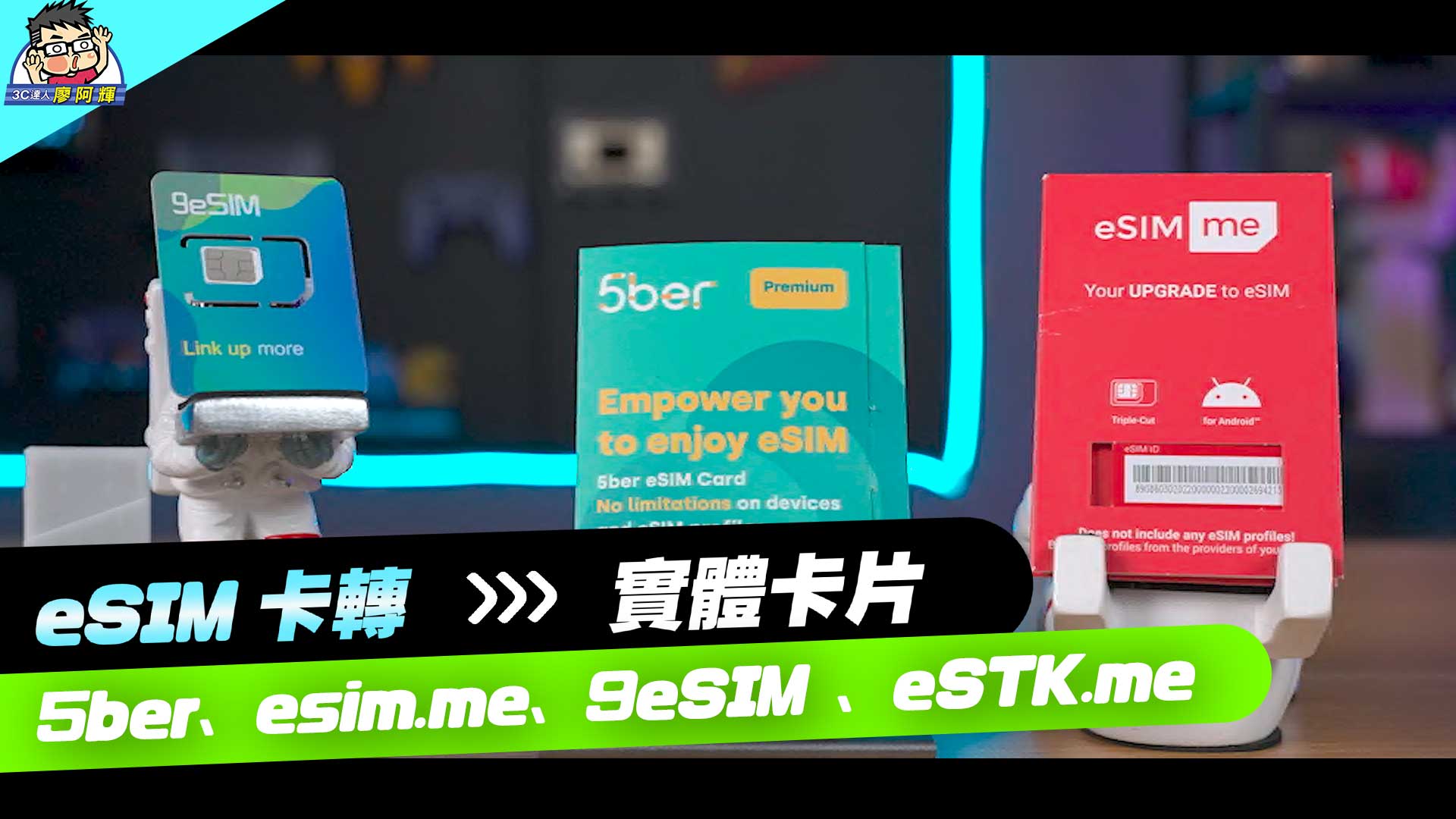
For short-term travel (under 30 days), Airalo and Holafly are top-rated providers, offering seamless eSIM activation and flexible daily or total data packages. Airalo excels in regional plans with competitive per-GB rates, while Holafly provides unlimited data options ideal for heavy users. For extended use (30+ days), GigSky and Ubigi offer robust monthly rollover plans and consistent multi-country coverage, often at lower long-term costs than daily plans. Both prioritize network stability over sheer speed. Flexibility in duration is key: short-term users benefit from instant top-ups, whereas extended users value provider-comparison for expiry policies.
Q: Which provider is best for a 60-day trip across Europe requiring high data? A: For extended multi-country use, GigSky is top-rated due to its 60-day validity plans with generous data caps, avoiding daily resets. Ubigi also performs well for heavy streaming but check regional data limits.
Compatible Devices and Setup Essentials
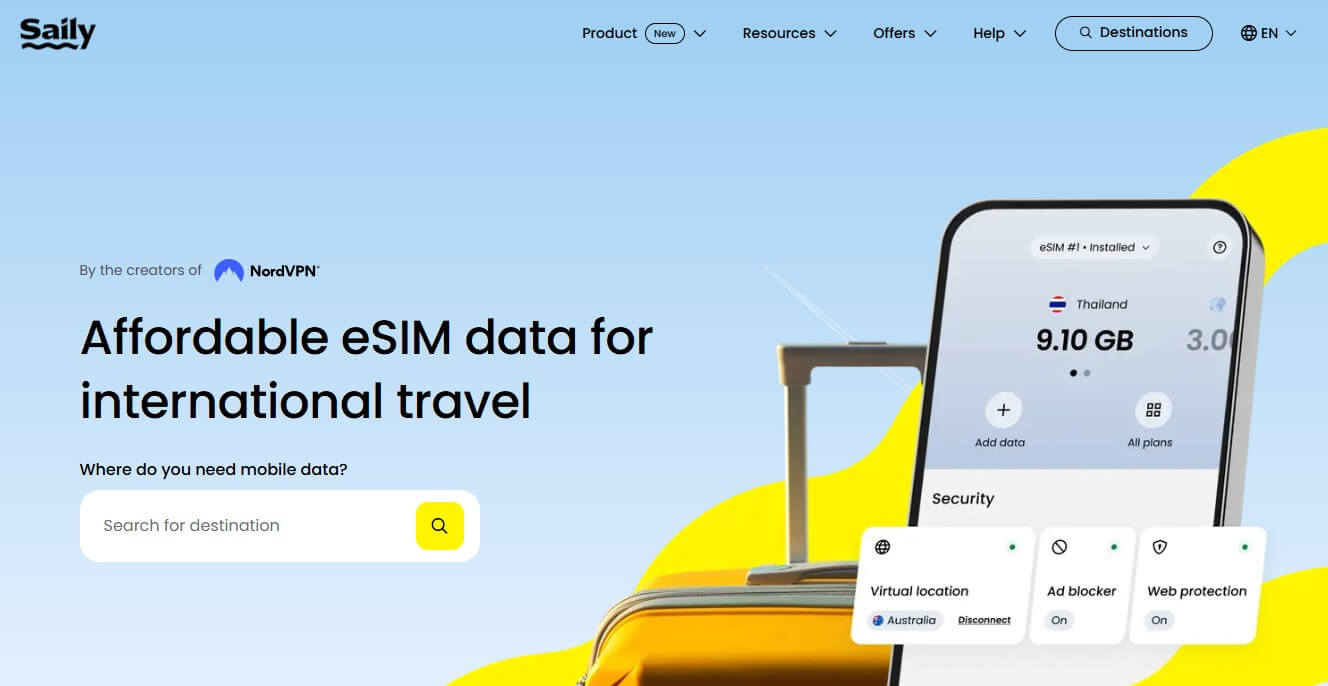
A prepaid eSIM requires a device that is both carrier-unlocked and eSIM-compatible. Most recent iPhones (XR and later), Google Pixels (3a and later), and Samsung Galaxy S20/Note20 series and newer support this. Before purchase, verify your device’s IMEI supports eSIM via your carrier’s compatibility checker. Setup essentials include a stable Wi-Fi connection for initial download and a QR code or activation code from the provider. After scanning the QR in Settings > Cellular/Mobile Data, assign the eSIM as your primary data line.
Always remove or disable your physical SIM if you plan to use the eSIM as your sole line to avoid carrier conflicts.
Ensure your device’s software is updated to the latest iOS or Android version for seamless profile installation.
Smartphones That Support Dual SIM Functionality
For prepaid eSIM activation, dual SIM smartphones with eSIM support let you keep your physical SIM active while adding a digital eSIM line. First, check your phone’s settings under “Mobile Networks” for an “Add eSIM” option. Then, scan the prepaid eSIM’s QR code or enter its activation details manually. After setup, assign which SIM handles data, calls, and texts. You can even switch your primary data line between the physical SIM and eSIM on the fly without swapping cards. This flexibility is vital for travelers or those juggling work and personal prepaid plans.
- Verify your phone’s model supports both a physical SIM and eSIM simultaneously.
- Navigate to Settings > Cellular/Mobile Data > Add Data Plan.
- Choose either “Use QR Code” or “Enter Details Manually” for your prepaid eSIM.
- Label each line (e.g., “Work Data” or “Travel SIM”) for quick identification.
Step-by-Step Guide to Installing a Virtual Chip
Begin by verifying device compatibility through your settings menu, then purchase a prepaid eSIM plan. You will receive a QR code or manual activation code. Open your device’s cellular settings, select “Add eSIM,” and scan the provided QR code. If the code fails, manually enter the SM-DP+ address and activation code printed on your purchase receipt. Follow the on-screen prompts to label the line (e.g., “Travel Data”) and set your preferred default data line. Finally, restart your device to finalize the virtual chip activation process. Your new line will appear in the carrier list once complete.
Troubleshooting Common Configuration Errors
When troubleshooting common configuration errors with a prepaid eSIM, begin by verifying the APN settings, as incorrect entries often block data. A mismatched activation code or scanning a corrupted QR code will cause “No Service”; ensure the code matches your device’s IMEI. For persistent failures, toggle airplane mode to force network registration. Also, check if your device’s carrier locking status prevents the new profile—unlocking resolves this. If data works but calls fail, confirm the eSIM is set as the default line for voice. Each error maps to a specific setting; isolate the mismatch, then reinstall the profile from the provider’s portal.
| Error | Cause | Fix |
|---|---|---|
| No data | Wrong APN | Input provider’s exact APN |
| QR code fails | Corrupted image | Request manual activation code |
| Roaming not working | Data not enabled | Toggle roaming ON in settings |
Where These Plans Excel in Real-World Scenarios
Prepaid eSIM plans excel the moment you land abroad. Instead of fumbling for a physical SIM or paying exorbitant roaming fees, you activate a local data plan instantly via an app. They shine during multi-country trips, as you can switch profiles across borders without swapping cards, keeping your primary number active for calls. For short-term travelers, these plans eliminate long-term contracts and hidden bills. The real-world value is seamless control: you top up or change plans on demand, not at a store. Q: Where do these plans truly outshine traditional SIMs? A: In emergency scenarios—if you lose your physical SIM or arrive late at night, you have connectivity within minutes, not after a store opens.
International Travel and Regional Connectivity
For international travelers, prepaid eSIMs excel in regional connectivity by enabling seamless handoffs between multiple country networks without physical SIM swaps. A user flying through Southeast Asia can maintain uninterrupted data across Thailand, Vietnam, and Malaysia via a single regional eSIM profile. This eliminates roaming fees and localized SIM hunting. The logical advantage lies in cross-border data continuity, where the eSIM reconnects to the strongest local carrier upon landing. Q: How does a prepaid eSIM ensure stable data when moving between countries in a region? A: It pre-authenticates with partner networks, so switching is automatic and instant, avoiding the dropped connections common with physical SIM swaps.
Backup Connectivity for Business or Emergencies
For businesses or emergencies, prepaid eSIM serves as an instant backup connectivity lifeline. When primary fiber or cellular fails during a crisis, loading a second eSIM profile restores data access within minutes—no hardware hunting. Consultants maintain email flow during travel disruptions; remote teams keep cloud tools active when local SIMs drop flood-prone networks. You bypass billing surprises entirely, since prepaid means zero post-crash commitment. This redundant channel ensures critical tasks like payment processing or GPS navigation continue without pause.
Prepaid eSIM provides an instantaneous, zero-commitment data safety net, keeping businesses operational and individuals connected precisely when primary networks collapse.
Budget-Friendly Solutions for Students and Nomads
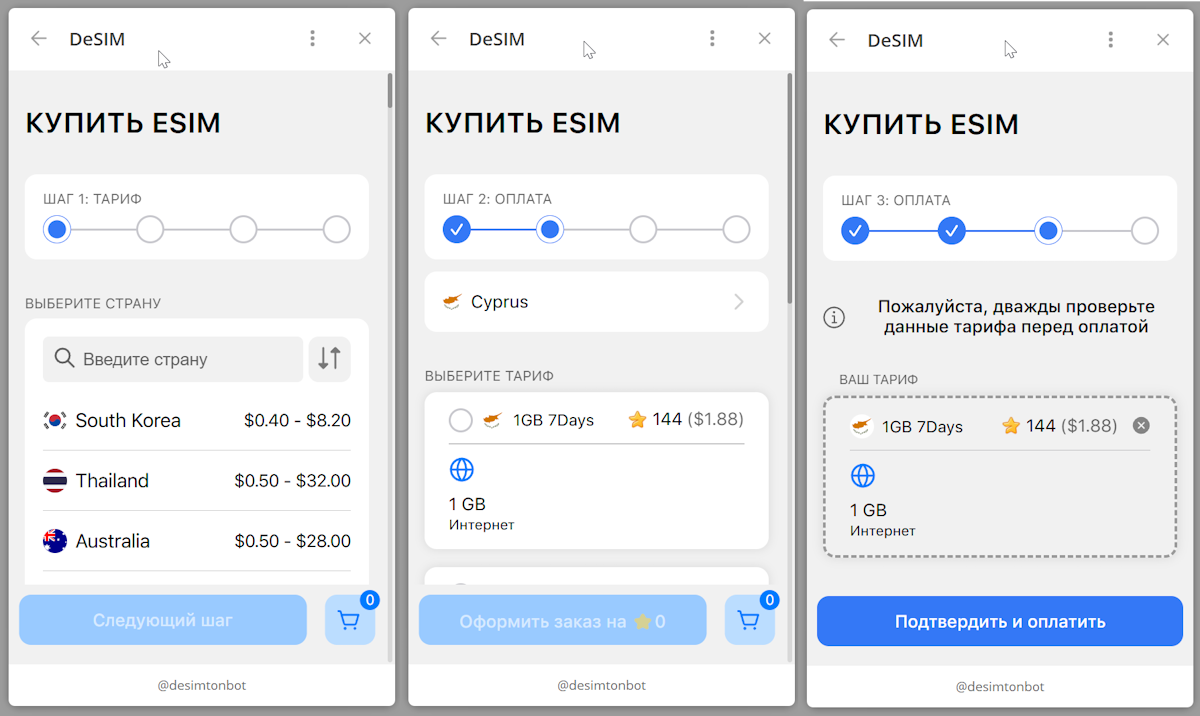
For students and nomads stretching every dollar, prepaid eSIMs are a budget game-changer. You avoid surprise roaming fees by grabbing a cheap local data pack for a week or a month. They let you test a region’s network without a long-term contract. Pay-as-you-go flexibility means you control spending, perfect for a study abroad semester or slow travel.
- Top up tiny amounts (like $5) for short bursts of data.
- Switch to a cheaper local eSIM once you cross a border.
- Keep your main number on airplane mode while using a budget data line.
Potential Drawbacks to Consider Before Switching
Before switching to a prepaid eSIM, consider that your current device may be locked to a carrier, preventing eSIM activation until unlocked. Additionally, switching means losing immediate access to your old number unless you complete a potentially lengthy porting process, during which service may lapse. Data-only prepaid eSIMs often lack voice or SMS, requiring a separate VoIP solution. A common question is: Q: Can I switch my physical SIM’s number to an eSIM instantly? A: Not always—porting can take hours to days, and you must ensure your phone supports dual SIMs if you want to keep your old line active during the transition. Finally, if your prepaid eSIM plan has no refund policy, you risk losing the entire balance if the service proves unreliable in your area.
Limited Device Compatibility Across Brands
A major headache with prepaid eSIMs is limited device compatibility across brands. Not every phone works with every eSIM provider, even if your device supports eSIMs generally. For example, an eSIM from a US carrier might refuse to activate on a Chinese-market phone, or a travel eSIM may not support a Samsung model bought in another region. Before buying, always check the provider’s specific compatibility list for your exact phone model. To avoid surprises, follow this sequence:
- Find your phone’s IMEI number.
- Enter it on the prepaid eSIM provider’s website.
- Wait for a confirmation message before purchasing a plan.
Carrier Restrictions on Plan Transfers
One critical drawback of switching to a prepaid eSIM is the carrier-imposed transfer lock that prevents you from moving your existing plan to another provider. Many carriers tie your phone number or data balance to their proprietary system, requiring you to cancel your plan entirely rather than transferring it. This means losing any remaining balance or promotional credits. Your eSIM profile is often single-use, so unlocking or porting out your number may demand a cumbersome support request. Before switching, verify that your current carrier allows plan portability, or you risk forfeiting your account entirely.
- Your prepaid eSIM plan may be non-transferable, forcing a full cancellation.
- Carriers often block number portability for prepaid eSIM accounts without a manual unlock.
- Unused prepaid balances or data rolls are typically lost during a plan transfer attempt.
- Some carriers require a new eSIM activation fee if you wish to switch plans or providers.
Data Throttling and Fair Usage Policies
A critical drawback of prepaid eSIMs is the imposition of data throttling and fair usage policies, which can significantly degrade performance after a specific threshold. Operators may enforce a fair usage policy (FUP) on “unlimited” plans, reducing speeds to 128 kbps or less once a set data cap—often as low as 1GB per day—is exceeded. The practical sequence of this impact is as follows:
- You consume high-speed data until reaching the plan’s fair usage cap.
- The provider activates a throttle, restricting throughput for streaming, video calls, or large downloads.
- Speeds remain reduced until the next billing cycle or a manual top-up reactivates full performance.
This makes prepaid eSIMs unreliable for consistent high-bandwidth tasks, as the throttling occurs automatically and without warning in many cases.
Future Trends in Modular and Temporary Connectivity
The future of travel is modular, where a single eSIM profile will fragment into purpose-driven modules. You might toggle a high-speed data module on for a week of remote work, then deactivate it for a slower, cheaper connectivity module during a hostel stay. Temporary connectivity will mean swapping these blocks—not carriers—like swapping lenses on a camera. Imagine arriving in Bangkok and activating only a 48-hour transit module for maps and ride-hailing, then layering a weekend social media module without porting numbers or plans. Each module is a self-contained lease, letting you build your connectivity stack as organically as packing a suitcase.
Integration With IoT and Wearable Devices
Integration with IoT and wearable devices transforms prepaid eSIM into a standalone connectivity hub for smartwatches, fitness trackers, and health monitors, bypassing the need for a paired smartphone. A user can assign a separate prepaid data plan directly to a wearable, enabling real-time GPS tracking, emergency alerts, and streaming during runs or travel. This architecture supports dynamic profile switching, allowing a single wearable to toggle between multiple prepaid eSIMs for local network optimization across regions. Prepaid eSIM wearable management also simplifies provisioning through QR codes embedded in device settings, eliminating physical SIM trays in compact gadgets.
Rise of Regional Bundles and Customizable Tiers
The rise of regional bundles and customizable tiers directly transforms prepaid eSIM usage by offering granular, geography-specific data packages instead of single-country or global plans. Users can now combine, for example, a Southeast Asia bundle with a separate high-speed tier for streaming, or split their allowance across voice, SMS, and data for specific countries within a multi-nation region. This modular approach lets travelers pay only for the connectivity they actually need, avoiding waste. A practical example is selecting a basic regional tier for navigation and messaging, then upgrading to a premium tier for video calls in a particular city. Customizable tier stacking enables this precise, per-trip allocation.
| Feature | Regional Bundle | Customizable Tiers |
|---|---|---|
| Scope | Pre-built group of countries (e.g., Nordics) | User-defined mix of data speed, duration, and services |
| Flexibility | Medium – fixed country list, variable data amount | High – adjust bandwidth, expiry, and add-ons independently |
| Use Case | Road trip across borders with one purchase | Mixing a low-speed bundle for maps with a high-speed day pass for video |
Regulatory Changes Affecting Digital SIM Markets
Regulatory changes are reshaping how prepaid eSIM users activate services, primarily by enforcing stricter identity verification. New rules in many jurisdictions now mandate real-time proof of identity during digital provisioning, replacing old methods that allowed post-purchase validation. This shift directly impacts the temporary connectivity niche, as users can no longer spontaneously activate a prepaid eSIM without submitting government-issued documentation upfront. These changes also restrict how long a virtual SIM card can remain active without re-verification, altering the lifecycle of short-term data plans. Digital identity linking is now the core compliance requirement for all prepaid eSIM activations.
Regulatory changes force prepaid eSIM users to complete identity verification before activation and restrict plan duration without re-validation.